- Full periodontal examination by the specialist
- Pocket depth charting around every tooth
- Digital X ray to map your bone levels
- Your stage graded and explained on screen
- Written treatment plan with itemised costs

Healthy gums are the foundation of a lasting smile. Treat pyorrhea, bleeding gums, periodontitis, gum recession and bad breath with minimally invasive laser periodontics.
Our team calls you back during clinic hours to confirm a slot.
Gum disease moves in stages and the treatment changes at each one. Most people wait until teeth start moving, and by then the bone that holds them has already gone. Pick the description closest to what you notice.
Gums sit tight against each tooth and do not bleed when you brush or floss. There is no odour and no sensitivity along the gum line.
A scaling and polishing every six months keeps hardened tartar from building below the gum line. This is the cheapest stage to stay at.
Book a cleaningBacterial plaque has inflamed the gum margin. At this stage the infection sits in the soft tissue only and the supporting bone is intact, which means it is fully reversible.
Ultrasonic scaling and polishing removes the plaque and calculus driving the inflammation. Most cases settle within days with the right home care routine.
Get it treated nowThe infection has moved below the gum line and started to destroy the fibres and bone anchoring the tooth. Bone lost at this stage does not grow back on its own, so the goal shifts to stopping the loss.
Root planing and curettage cleans the infected root surfaces so the gum can reattach. Deeper pockets may need laser periodontal therapy in the same visit.
Book a pocket assessmentSupporting bone has been lost around several teeth. Teeth move under pressure, the bite feels different, and there is a real risk of losing them. This is the stage most people mean when they say pyorrhea. Treatment here is about saving what can be saved.
Laser assisted flap surgery opens and decontaminates deep pockets with minimal bleeding and no stitches. An X ray is needed first to map bone levels.
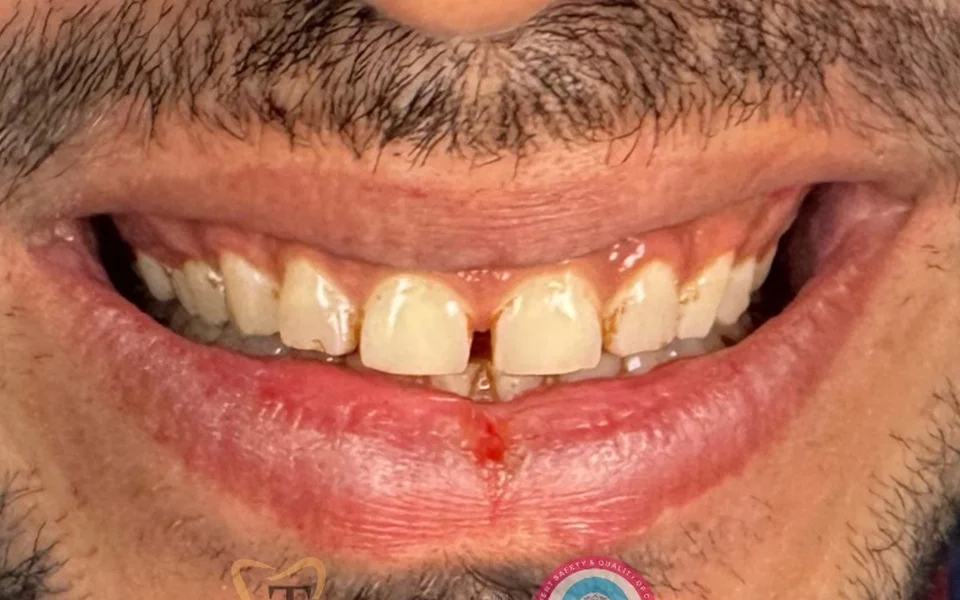
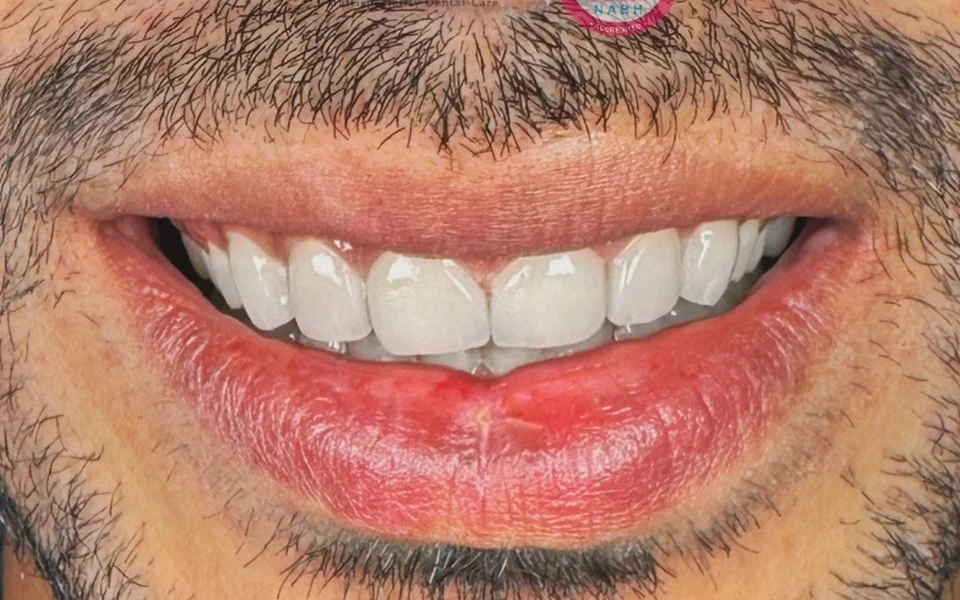
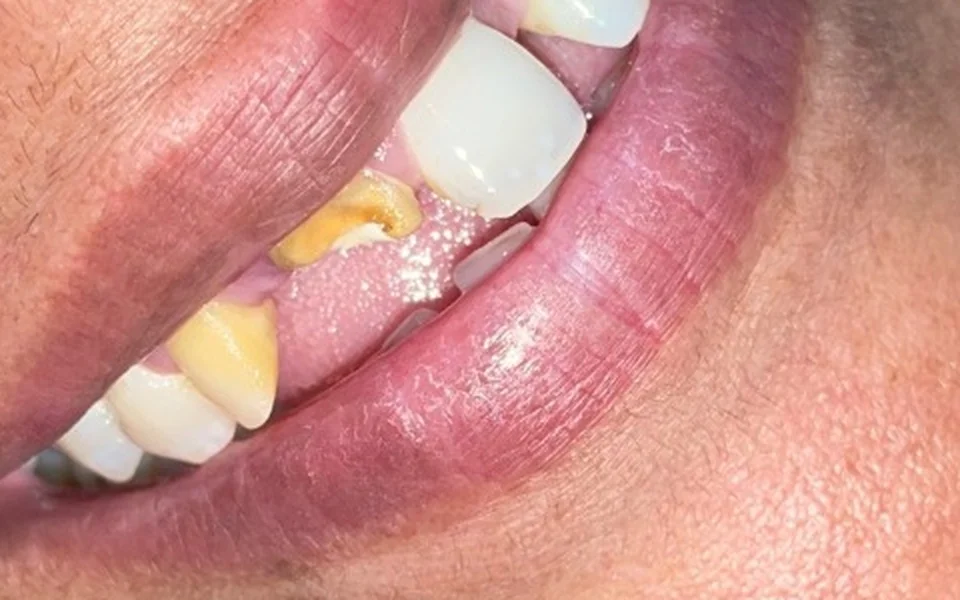
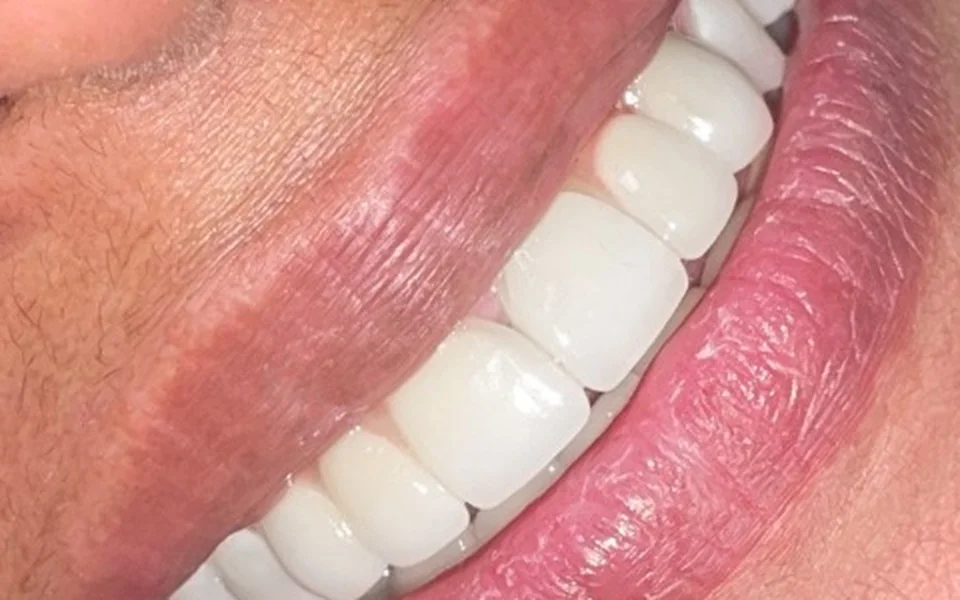
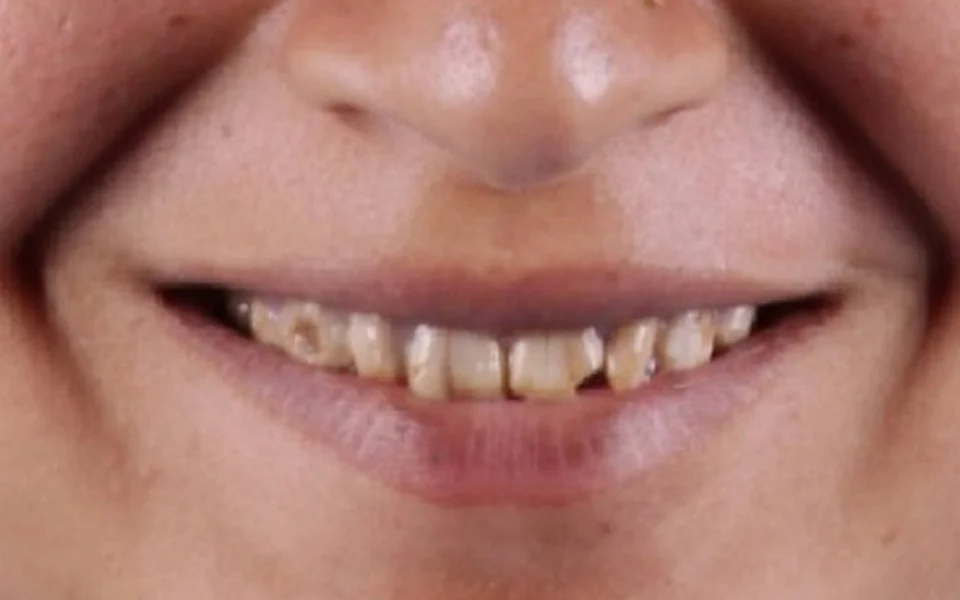
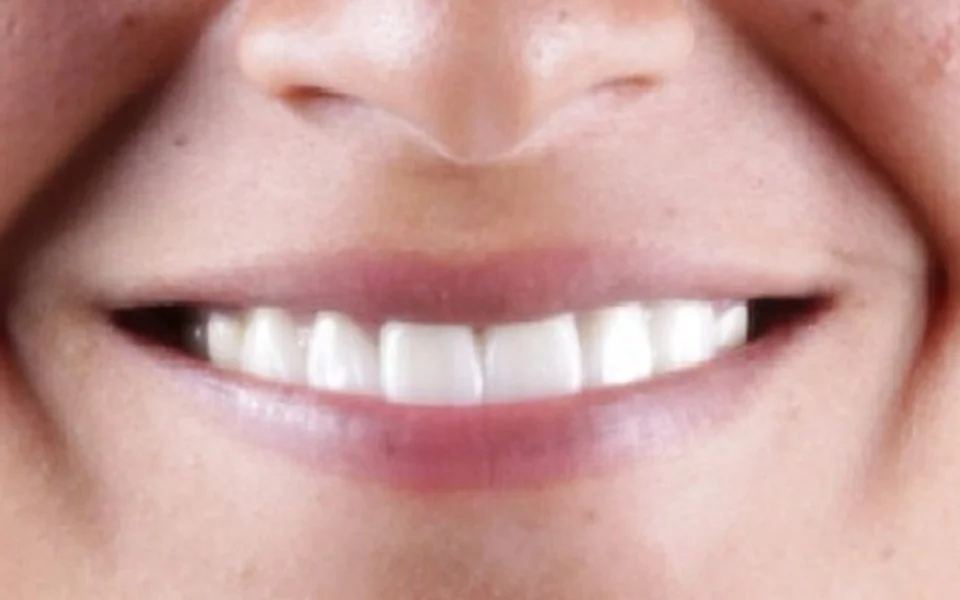
Get an urgent evaluationReal cases treated at the Paldi clinic. Every image is published with the patient's written consent.
Generalised gingivitis with staining, resolved with full mouth ultrasonic scaling and polishing.
Moderate periodontitis treated with root planing and curettage across four quadrants.
Laser assisted flap surgery to decontaminate deep pockets and stabilise the affected teeth.
Every gum case begins with charting and an X ray, so you know the stage before any procedure is proposed.
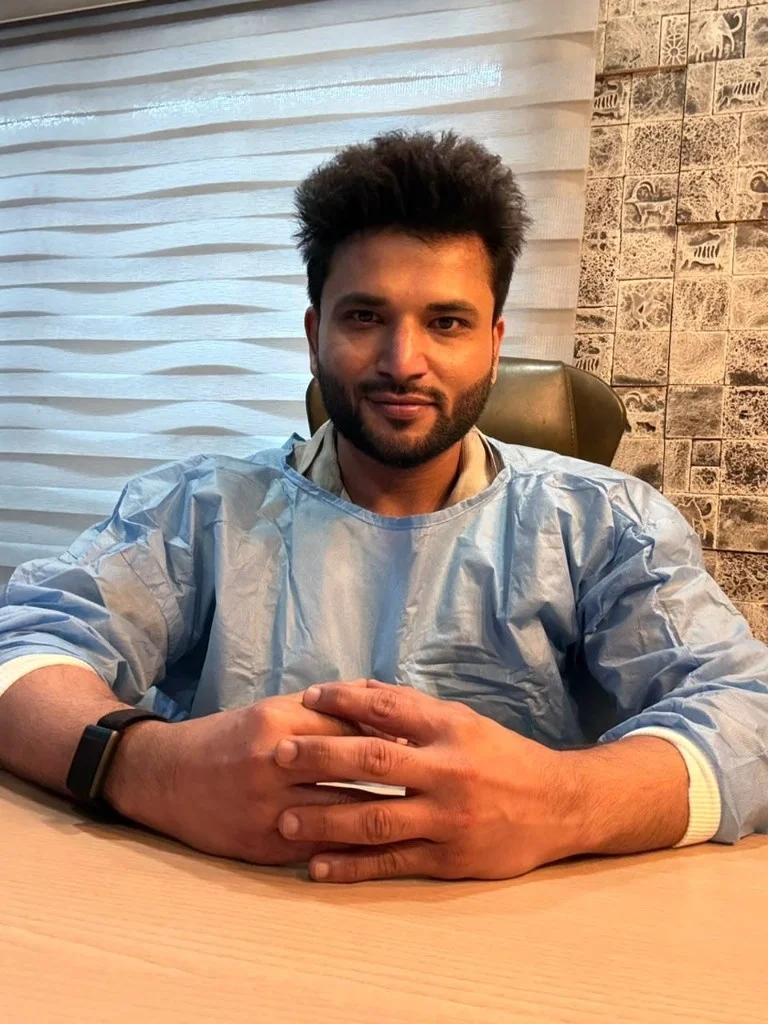
Founder & Chief Dental Surgeon
BDS, MDS – Prosthodontics & Implantology
With over 12 years of clinical expertise, Dr. Gandhi specialises in full mouth rehabilitation, dental implants and smile makeovers. He leads Tuskers Dental with a vision of combining advanced technology with patient centered care.
Patients treated at the Paldi clinic describing what the treatment was actually like.
Equipment and materials matter most in periodontal work, because the difference between a comfortable visit and a painful one is usually the instrument, not the dentist.
Used to ablate infected tissue inside deep periodontal pockets and to contour gum tissue without a scalpel.
Why it matters: less bleeding, no stitches, faster healingHigh frequency tips break up hardened calculus above and below the gum line with far less pressure than hand instruments.
Why it matters: gentler on enamel and sensitive rootsLow dose digital radiography maps bone levels around each tooth, which is the only way to grade how advanced the disease actually is.
Why it matters: staging is measured, not guessedInstruments are cycled through a vacuum autoclave, pouched and dated. Anything that cannot be autoclaved is single use.
Why it matters: audited under NABH accreditationWhere a defect can be regenerated, graft material and a barrier membrane are placed during flap surgery to support new bone fill.
Why it matters: some bone defects can be rebuiltEvery pocket is probed and recorded on a chart at the first visit, then re-measured at review so progress is a number, not an impression.
Why it matters: you can see whether it is workingYour symptoms, bleeding history, medical background and previous dental work are discussed.
Pocket depths are measured around each tooth and an X ray shows the bone level supporting them.
The dentist explains what stage you are at, what is recommended, how many visits and what it costs.
Scaling, root planing or laser therapy is carried out under local anaesthesia where required.
A follow up checks healing and pocket depths, and sets your maintenance interval.
Most clinics quote gum treatment before they have measured anything. This is the opposite. You leave with a graded diagnosis and a written plan, whether or not you go ahead with us.
Sterilisation, infection control and clinical protocols audited against national hospital standards. Instruments are sterilised or single use.
Pocket depths are charted and an X ray taken before any treatment is recommended. You see what is happening before you commit to anything.
Deep pocket work is done with laser rather than referred out, which means less bleeding, fewer visits and quicker recovery.
If gum disease has already cost you teeth, implants, crowns and bridges are handled by the same team that treated the gums.
Monday to Saturday, 10 AM to 8 PM. Sunday 12 PM to 3 PM by appointment for patients who cannot take a weekday off.
Consistently rated on Google for painless treatment and clear explanation of what is being done and why.
4.9 out of 5 across 333 reviews on the clinic's Google Business Profile.
Two people with bleeding gums can need very different treatment, so there is no single price. Your cost is confirmed after the assessment, in writing, before anything starts. What it depends on:
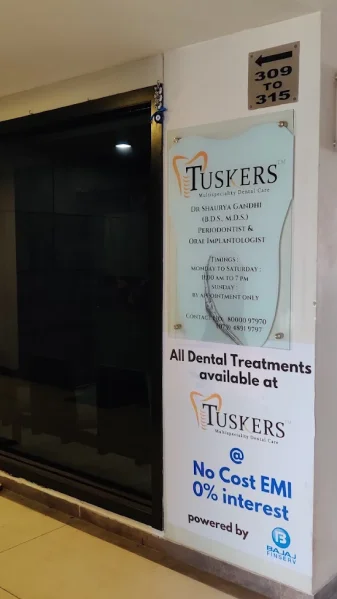
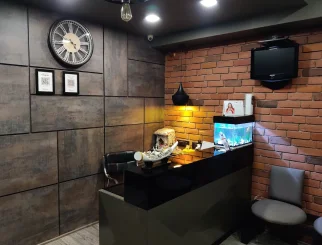
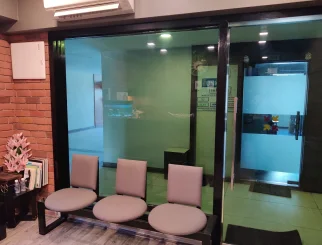
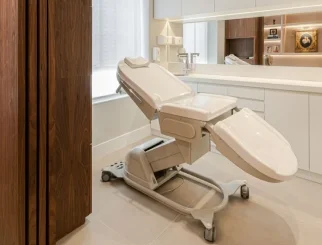
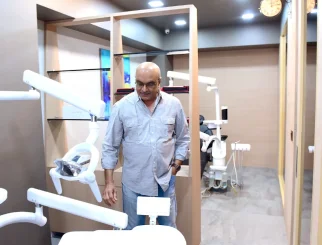
Gum treatment means instruments below the gum line, so sterilisation is not a detail. Here is the Paldi clinic as you will find it.
Healthy gums do not bleed, even occasionally. Intermittent bleeding usually means inflammation is present and coming and going with your brushing habits. At the earliest stage it is fully reversible, which is exactly why it is worth checking now rather than later.
The infection is treatable at any stage. What cannot be undone is bone that has already been lost. Once the pockets are cleaned and the infection cleared, the disease stops progressing and many loose teeth stabilise. Whether a specific tooth can be saved depends on how much bone is left around it, which the X ray shows.
They describe the same condition. Pyorrhea is the older everyday name, taken from the pus that discharges from the gums at the advanced stage. Periodontitis is the clinical term used across all stages of bone involvement. If a dentist has told you that you have pyorrhea, they mean advanced periodontitis.
No. Salt water, mouthwash, oil pulling and herbal powders can reduce surface inflammation and improve breath temporarily, but none of them reach the bacteria living inside deep periodontal pockets, and none of them regrow lost bone. Relying on them usually means arriving at the clinic with more bone loss than you had six months earlier.
No. Scaling removes hardened deposits, it does not remove tooth structure. Teeth can feel slightly different afterwards because the tartar that was filling the gaps has gone, and any sensitivity usually settles within a few days.
Routine scaling and polishing needs no anaesthesia for most patients. Deeper root planing and laser work is done under local anaesthesia. Laser treatment in particular involves less bleeding and faster healing than conventional surgery.
A simple cleaning is often a single visit. Root planing is usually split across two visits by quadrant. Surgical cases need a treatment visit plus follow ups. The dentist will give you a specific schedule after your assessment.
Gum tissue that has already receded does not grow back on its own, but the process can be halted and in selected cases grafting procedures may be considered. Assessment determines what is appropriate for your case.
Where bad breath is caused by bacteria in periodontal pockets, treating the infection usually resolves it. Other causes such as tongue coating, dry mouth or digestive issues are also checked during the assessment.
You can book directly. Fill the form or call the clinic and the team will confirm a slot during working hours.
Bleeding gums, bad breath or loose teeth. Start with a proper examination and find out exactly what stage you are at.